Minneapolis: A Vibrant City in the Heart of Minnesota
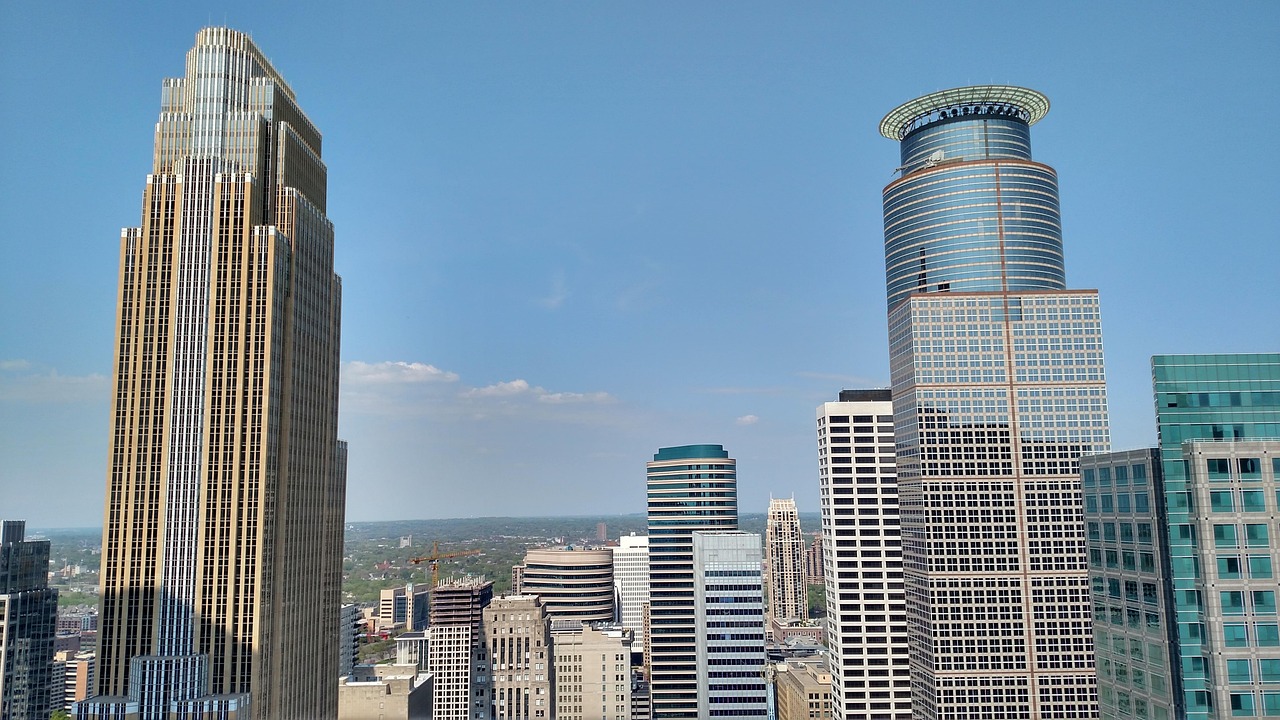
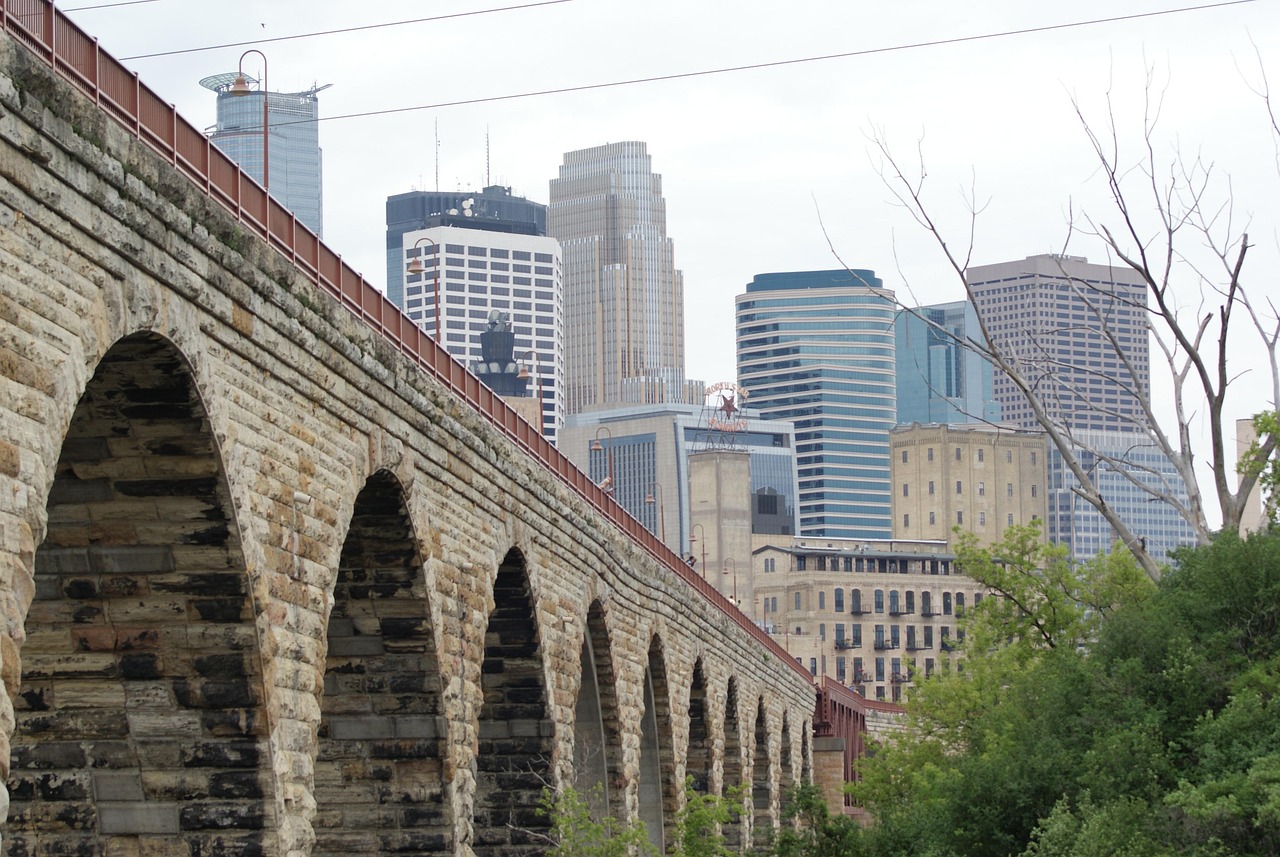
Minneapolis, nestled on the Mississippi River, is a dynamic metropolis and cultural hub that captivates visitors and residents alike. With its rich history, diverse neighborhoods, and thriving economy, it stands as a testament to urban resilience and innovation. This vibrant city offers a unique blend of natural beauty, artistic flair, and cutting-edge technology, making it a significant destination for business, education, and culture.
Why Minneapolis Matters:
Minneapolis is a city that defies stereotypes, combining big-city amenities with a small-town feel. It's a place where innovation thrives, communities flourish, and experiences are boundless. From its world-class arts scene to its robust tech industry, Minneapolis is driving progress while preserving its unique character.
Frequently Asked Questions (FAQs)
1. What makes Minneapolis a desirable place to live?
Minneapolis offers an unparalleled quality of life. It boasts affordable housing options compared to other major cities, excellent public schools, and a vibrant arts and culture scene. The city's vast network of parks, lakes, and trails provides ample opportunities for outdoor recreation year-round. Additionally, Minneapolis has a strong sense of community, with numerous local events and festivals celebrated throughout the year.
2. How does Minneapolis compare to other US cities in terms of cost of living?
According to recent studies, Minneapolis ranks favorably in terms of affordability compared to other major metropolitan areas. While housing prices have been rising nationwide, Minneapolis still offers relatively lower average home values and rental rates. The city's robust job market and strong local economy contribute to a viable cost of living for residents.
3. What are some popular neighborhoods in Minneapolis?
Minneapolis is known for its diverse and vibrant neighborhoods, each with its unique character:
- Downtown: The heart of the city, featuring skyscrapers, cultural institutions, and bustling entertainment districts.
- North Loop: Known for its hipster vibe, independent boutiques, and trendy restaurants.
- South Minneapolis: Home to a mix of established and up-and-coming neighborhoods with a strong community feel.
- Minnehaha Park Area: Boasts beautiful parks, historic homes, and a peaceful atmosphere.
- Lyndale Avenue: Renowned for its multicultural businesses, vibrant street life, and diverse dining options.
4. How accessible is public transportation in Minneapolis?
The Metropolitan Transit Commission (MTC) operates an extensive public transit system, including the light rail, bus, and commuter rail networks. These services connect key destinations across the city, making it easy to navigate without a car. The Green Line light rail, for instance, connects downtown with popular neighborhoods like Minnehaha Park and Lake Street.
5. What are the top attractions in Minneapolis?
Minneapolis offers a plethora of attractions:
- Minneapolis Institute of Art: Features an impressive collection spanning centuries and cultures, housed in a stunning architectural masterpiece.
- Mill City Museum: Showcases the history of milling in Minneapolis and offers panoramic river views.
- Walker Art Center: A renowned contemporary art museum with dynamic exhibits and engaging programs.
- Minnesota Zoo: Home to diverse animals from around the world, offering educational experiences and conservation efforts.
- Lake Calhoun (and the Grand Rounds Scenic Byway): Popular for outdoor activities like boating, hiking, and biking.
6. Is Minneapolis a tech-friendly city?
Absolutely! Minneapolis has established itself as a significant tech hub in the Midwest. The city is home to numerous tech startups, established software companies, and leading cloud computing providers. The robust telecommunications infrastructure and a talent pool of skilled professionals make it an attractive destination for tech businesses. Events like the Minnesota Tech Summit further reinforce Minneapolis's position as a tech innovation center.
7. How does Minneapolis support small businesses?
The city offers numerous resources to support local entrepreneurs:
- Small Business Development Centers (SBDCs): Provide free counseling, workshops, and access to funding opportunities.
- Minneapolis Main Street: A program dedicated to revitalizing downtown areas and promoting local businesses.
- Tax Incentives: Minneapolis offers various tax incentives and grants to encourage small business growth and development.
- Business Incubators: These spaces provide startups with mentorship, networking opportunities, and shared resources.
8. What educational institutions are located in Minneapolis?
Minneapolis boasts a rich academic landscape:
- University of Minnesota (UM): A top-ranked public research university with world-class programs across various disciplines.
- Macalester College: Known for its strong liberal arts curriculum and commitment to community engagement.
- Carleton College: Offers an intimate learning environment and a diverse range of academic programs.
- Minneapolis College: Provides career-focused education in fields like healthcare, technology, and business.
9. Are there opportunities for outdoor recreation in Minneapolis?
Abundantly! Minneapolis is nestled along the Mississippi River, offering miles of lakes, rivers, and parks:
- Lake Calhoun (Minnehaha Lake): Popular for boating, kayaking, fishing, and ice skating.
- Minnehaha Regional Park: Boasts waterfalls, hiking trails, and picnic areas.
- Grand Rounds Scenic Byway: A 50-mile scenic route surrounding lakes, featuring parks, bike paths, and scenic overlooks.
- Winter Activities: Minneapolis transforms into a winter wonderland with ice skating rinks, cross-country skiing trails, and snowshoeing opportunities.
10. How does the city promote environmental sustainability?
Minneapolis is committed to sustainable practices and has implemented various initiatives:
- Green Building Programs: Encourages environmentally friendly construction and renovation projects.
- Renewable Energy Initiatives: The city aims to reduce greenhouse gas emissions by promoting renewable energy sources.
- Recycling and Composting Programs: Minneapolis offers comprehensive recycling services and encourages composting to reduce waste.
- Tree Planting Efforts: The city has launched initiatives to increase urban forest coverage, enhancing air quality and biodiversity.
11. What are the employment opportunities in Minneapolis?
Minneapolis boasts a robust job market across various sectors:
- Healthcare: Major medical centers and healthcare providers offer numerous opportunities.
- Finance and Banking: Major financial institutions have a strong presence in the city.
- Technology: Startups, established tech companies, and cloud service providers drive employment growth.
- Education: The city's academic institutions provide job prospects in teaching, research, and administrative roles.
- Creative Industries: Minneapolis supports arts, design, media, and marketing careers.
12. How does the city celebrate its cultural diversity?
Minneapolis is renowned for its multiculturalism:
- Cultural Festivals: The city hosts numerous events celebrating diverse cultures, such as the Minneapolis Indian Festival, Minnesota State Fair (with international food exhibits), and the International Fringe Festival.
- Multicultural Neighborhoods: Areas like Lynde Avenue and East Lake Street showcase vibrant multicultural businesses and communities.
- Language Services: City departments offer translation services in multiple languages to cater to its diverse population.
- Cultural Organizations: Numerous cultural associations and museums preserve and promote Minneapolis's rich cultural heritage.
13. Is Minneapolis a safe city?
Overall, Minneapolis has a relatively low crime rate compared to other major cities. The Minnesota Police Department (MPD) works diligently to ensure public safety. However, as with any urban area, it's essential to remain vigilant and take common-sense precautions. Neighborhoods vary in character, so understanding local dynamics is crucial for a positive experience.
14. How does the city support healthcare and well-being?
Minneapolis has an exceptional healthcare infrastructure:
- Major Medical Centers: The city is home to renowned hospitals like Mayo Clinic, Abbott Northwestern Hospital, and Minneapolis VAMC.
- Community Clinics: Numerous community health centers provide affordable care to underserved populations.
- Mental Health Resources: A variety of organizations offer counseling, therapy, and support services for mental health needs.
- Wellness Initiatives: Local efforts promote healthy living through nutrition programs, fitness classes, and community gardens.
15. Are there opportunities for volunteering and community involvement?
Absolutely! Minneapolis fosters a strong sense of community engagement:
- Volunteer Organizations: Numerous non-profit groups, like the Minnesota Food Bank and Second Harvest, rely on volunteers.
- Community Events: From block parties to neighborhood clean-ups, residents actively participate in local events.
- Civic Engagement: The city encourages public input through town hall meetings, online forums, and citizen advisory boards.
- Social Service Agencies: Organizations like the Greater Minneapolis Council of Churches provide resources for those in need.
16. How does Minneapolis support arts and culture?
The city has a thriving artistic community:
- Minneapolis Institute of Art (MIA): Houses an extensive art collection and hosts diverse cultural events.
- Walker Art Center: Features contemporary art exhibitions, film screenings, and performances.
- ** Guthrie Theater:** A renowned performing arts venue showcasing theater, dance, and musical productions.
- Mill City Museum: Offers artistic exhibits alongside its historical displays, promoting creativity.
- Street Art and Murals: Minneapolis boasts vibrant street art, transforming neighborhoods into outdoor galleries.
17. Is there a thriving nightlife in Minneapolis?
Minneapolis has a dynamic nightlife scene:
- Bars and Breweries: The city is known for its craft breweries and taprooms, offering unique beer experiences.
- Nightclubs and Music Venues: From jazz clubs to rock venues, Minneapolis caters to diverse musical tastes.
- Live Music Events: Festivals like First Avenue's New Year's Eve celebration attract large crowds.
- Theatrical Performances: The Guthrie Theater and other venues host late-night performances, keeping the city alive after dark.
18. How does the city support entrepreneurship and innovation?
Minneapolis provides a supportive ecosystem for entrepreneurs:
- Entrepreneurship Centers: Organizations like the Minneapolis Entrepreneur Center offer mentorship, workshops, and networking events.
- Inkubators and Accelerators: Programs like Techstars and Gener8tor provide resources and funding to early-stage startups.
- Investor Network: Angel investors and venture capital firms actively support local innovative ventures.
- Innovation Districts: The city has designated areas for tech and bio-med innovation, fostering collaboration.
19. Are there opportunities for career development in Minneapolis?
Definitely! Minneapolis offers robust professional development resources:
- Career Centers: The Minnesota Department of Employment and Economic Development (DEED) provides job training and career counseling.
- Workshops and Seminars: Local organizations offer workshops on various topics, from coding to marketing.
- Mentorship Programs: Many companies and non-profits have mentorship initiatives to support professional growth.
- Educational Partnerships: Universities collaborate with businesses to provide internships and co-op programs.
20. How does Minneapolis accommodate families?
The city offers a range of family-friendly amenities:
- Parks and Playgrounds: Numerous parks feature playgrounds, sport courts, and open spaces for families to enjoy.
- Family-Oriented Events: Festivals like the Minnesota State Fair and the Santa Parade attract families from across the region.
- Family Services: Organizations like the YWCA and Boys & Girls Clubs provide programs for youth development and family support.
- Quality Education: Minneapolis public schools and private institutions prioritize student success and offer diverse learning opportunities.
21. Is there a strong sense of community in Minneapolis?
Indeed, Minneapolis is renowned for its tight-knit communities:
- Neighborhood Associations: Local associations organize events, advocate for neighborhood needs, and foster community pride.
- Community Gardens: Shared gardening spaces bring residents together and promote sustainable living.
- Local Businesses: Independent shops and cafes create a sense of place and encourage foot traffic.
- Civic Engagement: The city encourages active participation in local governance, fostering a sense of collective responsibility.
22. How does Minneapolis adapt to climate change?
Addressing climate change is a priority for the city:
- Climate Action Plan: Minneapolis has developed a comprehensive plan to reduce greenhouse gas emissions and promote sustainability.
- Clean Energy Initiatives: The city aims to increase renewable energy use and improve energy efficiency in buildings.
- Sustainable Transportation: Encouraging public transit, biking, and walking reduces carbon footprints.
- Resilient Infrastructure: Minneapolis is designing infrastructure to withstand extreme weather events and climate change impacts.
23. Are there opportunities for cultural tourism in Minneapolis?
Absolutely! Minneapolis attracts visitors with its diverse cultural offerings:
- Art and Culture Museums: Beyond the MIA, the city boasts a wealth of museums showcasing art, history, and science.
- Performing Arts: From theater to comedy shows, Minneapolis offers vibrant performing arts experiences.
- Cultural Festivals: Events like the Minnesota State Fair, International Fringe Festival, and Somali-American Cultural Festival attract tourists from around the world.
- Historic Sites: Historical landmarks like Fort Snelling and Mill City Museum provide insights into the city's past.
24. How does Minneapolis support sustainable agriculture?
The city promotes local and sustainable food systems:
- Farmers Markets: Minneapolis has numerous farmers markets, offering fresh produce and supporting local farmers.
- Community Gardens: Residents can grow their own food in community gardens or participate in urban farming initiatives.
- Food Waste Reduction: Programs aim to reduce food waste through composting and food donation efforts.
- Sustainable Restaurants: Many restaurants emphasize locally sourced, organic ingredients, promoting sustainable dining.
25. Is Minneapolis a pet-friendly city?
Minneapolis welcomes pets with open arms:
- Pet-Friendly Housing: Many apartments and homes allow pets, sometimes even dogs of all sizes.
- Dog Parks: The city has numerous off-leash dog parks for outdoor play and socialization.
- Vet Care: Numerous veterinary clinics provide high-quality pet care services.
- Pet-Centric Events: Local businesses host pet-themed events, such as adoption drives and dog walks.
26. How does Minneapolis support veterans and military families?
The city extends its gratitude to veterans and military families:
- Veterans Services: The Minnesota Department of Veterans Affairs provides support services, benefits assistance, and employment resources.
- Military Family Resources: Organizations like the Greater Minneapolis Council of Churches offer programs to support military families.
- Honoring Veterans: Minneapolis hosts events like Memorial Day ceremonies and veterans appreciation gatherings.
- Housing Assistance: Programs are available to assist veterans in finding affordable housing.
27. Is there a thriving food scene in Minneapolis?
The culinary landscape of Minneapolis is diverse and exciting:
- Farm-to-Table Restaurants: Many restaurants prioritize locally sourced ingredients, showcasing the region's agricultural bounty.
- Food Truck Festivals: Events like the Minnesota Street Food Festival celebrate the city's vibrant street food culture.
- International Cuisine: Minneapolis offers a wide range of international dining options, reflecting its diverse population.
- Craft Beer and Spirits: The city boasts numerous breweries, distilleries, and taprooms, attracting craft beverage enthusiasts.
28. How does Minneapolis support LGBTQ+ communities?
Minneapolis embraces diversity and inclusivity:
- LGBTQ+ Organizations: Numerous groups provide support, advocacy, and social events for the community.
- Pride Events: The city hosts one of the largest Pride celebrations in the Midwest, attracting thousands.
- Inclusive Policies: Local businesses and organizations adopt inclusive practices and language.
- Safe Spaces: Minneapolis has designated safe spaces for LGBTQ+ individuals to express themselves freely.
29. Are there opportunities for outdoor recreation in Minneapolis?
Minneapolis offers abundant outdoor recreational options:
- Parks and Trails: The city boasts extensive park systems with trails for hiking, biking, and running.
- Lake Access: With its numerous lakes, Minneapolis provides opportunities for boating, fishing, and swimming.
- Winter Activities: Residents enjoy winter sports like ice skating, cross-country skiing, and snowshoeing.
- Outdoor Festivals: Events like the Minnesota State Fair and Summerfest celebrate outdoor recreation.
30. How does Minneapolis support senior citizens?
The city prioritizes aging in place and quality of life for seniors:
- Senior Centers: Numerous community centers offer programs, social activities, and meal services for seniors.
- Home Delivery Services: Organizations provide grocery and medication delivery for homebound seniors.
- Assisted Living Facilities: Minneapolis has a range of assisted living options to support independent living.
- Transportation Services: Paratransit services ensure mobility for seniors who cannot drive.
Category: Minneapolis